

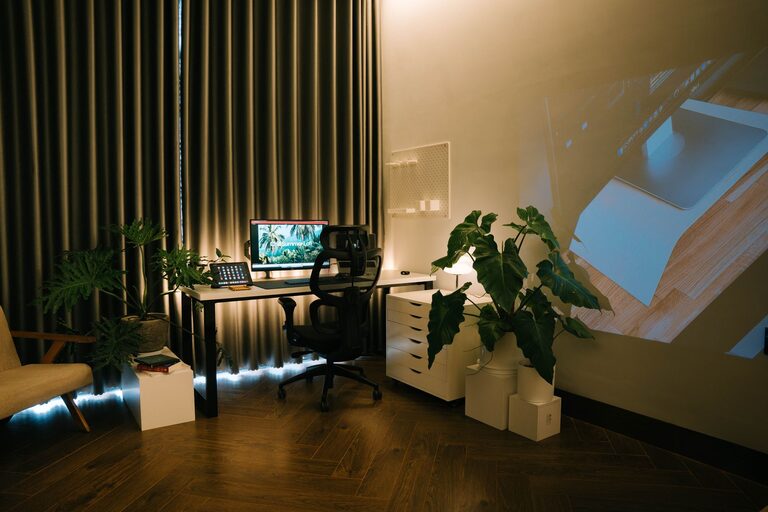
Creating a relaxing home workspace is essential for anyone working remotely or spending time on projects at home. A well-designed workspace promotes focus, reduces stress, and helps maintain a healthy work-life balance. In this guide, we’ll explore practical steps to transform your home office into a calming, productive environment.
Why a Relaxing Workspace Matters
Working from home has become increasingly common, but it comes with its challenges. Distractions, clutter, and discomfort can lower productivity and increase stress. A relaxing workspace helps by:
– Creating a clear boundary between work and rest
– Encouraging focus through minimal distractions
– Supporting physical well-being with ergonomic furniture
– Inspiring creativity and motivation
By intentionally shaping your environment, you can improve your daily work experience.
Choose the Right Location
Finding the ideal spot in your home is the first step.
Consider Natural Light
– Select a space near a window if possible. Natural light improves mood and alertness.
– Avoid direct glare on screens by positioning your desk perpendicular to the window.
Minimize Noise and Distractions
– Pick a quiet corner away from busy household areas.
– Use rugs, curtains, or noise-cancelling headphones if needed to reduce sound.
Keep it Separate
– If space allows, avoid working from your bedroom or living room to maintain mental separation between work and personal time.
Invest in Comfortable and Functional Furniture
Ergonomic Chair
– Choose a chair that supports your back and promotes good posture.
– Adjustable height and lumbar support are key features.
Desk Setup
– A desk at a comfortable height reduces strain on your wrists and arms.
– Consider a standing desk or adjustable desk for flexibility.
Organize Your Tools
– Keep frequently used items within arm’s reach.
– Use desk organizers to keep clutter off your work surface.
Personalize Your Workspace
Adding personal touches can make your workspace inviting and inspiring.
Use Calming Colors
– Soft blues, greens, and neutrals are known to promote relaxation.
– Avoid overly bright or distracting colors on walls or accessories.
Decorate with Plants
– Indoor plants improve air quality and add a natural element.
– Easy-care options like succulents or pothos work well.
Incorporate Art and Photos
– Choose artwork or photos that uplift you without distracting from work.
Optimize Lighting
Proper lighting reduces eye strain and keeps you alert.
Layer Your Lighting
– Combine natural light with ambient lighting such as ceiling fixtures.
– Add task lighting like a desk lamp for focused work.
Adjust Brightness
– Use dimmable lights to tailor brightness throughout the day.
– Avoid harsh fluorescent lighting.
Control Clutter and Keep Organized
A clean workspace fosters calm and productivity.
Declutter Regularly
– Remove unnecessary items daily or weekly.
– Keep only essentials on your desk.
Use Storage Solutions
– Shelves, drawers, and baskets help keep items organized and out of sight.
– Label storage containers for easy access.
Implement a Filing System
– Keep digital and physical documents organized.
– Regularly purge outdated files.
Create a Relaxation Routine
To sustain a relaxing environment, make time for breaks and mindfulness.
Take Regular Breaks
– Use techniques like the Pomodoro method (25 minutes work, 5 minutes break).
– Step away from your desk to stretch and move.
Practice Mindfulness
– Incorporate short meditation or breathing exercises.
– Use calming scents like lavender or eucalyptus with essential oils or candles.
Technology Tips for a Stress-Free Workspace
Technology should support, not hinder, your workflow.
Minimize Digital Distractions
– Turn off non-essential notifications.
– Use apps that block distracting websites during work hours.
Keep Cables Tidy
– Use cable organizers or clips to avoid tangled wires.
– A clean desk looks more relaxing.
Ensure Good Internet Connectivity
– Test your connection speed and upgrade if necessary.
– Use a Wi-Fi extender if your workspace is far from the router.
Final Thoughts
Creating a relaxing home workspace is about balancing comfort, function, and personal style. By thoughtfully designing your environment, you can enjoy greater focus, reduce stress, and nurture your well-being while working from home. Start small—choose one or two changes today and build from there. Your ideal workspace is within reach!