

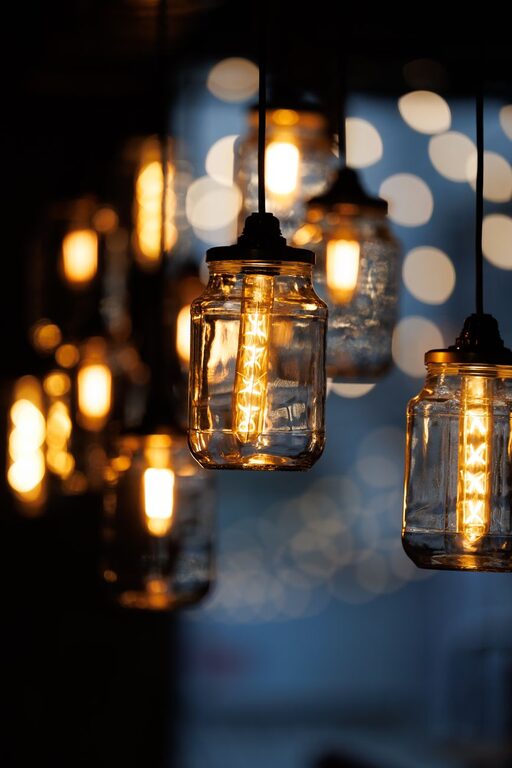
Creating a warm and welcoming atmosphere in your home starts with the right lighting. Comfortable home lighting not only illuminates your space but also affects your mood and productivity. Whether you’re reading, cooking, or relaxing, proper lighting can make a big difference. Here are some helpful tips to guide you in choosing comfortable lighting that fits your home and needs.
Understand the Types of Lighting
When planning your home lighting, it’s important to know the three main types:
1. Ambient Lighting
This is the general lighting that provides overall illumination to a room. Examples include ceiling-mounted fixtures, chandeliers, and recessed lighting. Ambient lighting ensures you can see and move around safely.
2. Task Lighting
Task lighting focuses on specific areas where activities like reading, cooking, or working take place. Desk lamps, under-cabinet kitchen lights, and vanity lights are common examples.
3. Accent Lighting
Accent lighting highlights particular features or adds decorative touches to a space. Use it to emphasize artwork, plants, or architectural details with spotlights, wall-mounted lights, or track lighting.
Choose the Right Color Temperature
Lighting color temperature influences how warm or cool your space feels. It’s measured in Kelvins (K):
– Warm White (2700K–3000K): Gives a cozy, inviting glow. Ideal for living rooms, bedrooms, and dining areas.
– Neutral White (3500K–4100K): Balanced and natural. Works well in kitchens and bathrooms.
– Cool White (5000K–6500K): Crisp and bright. Best for workspaces or areas where you need high visibility.
For comfortable home lighting, warm or neutral white bulbs are usually best. They create a relaxing environment without causing eye strain.
Consider Dimmable Fixtures
Dimmable lighting lets you adjust brightness levels to suit different activities and times of day. Installing dimmer switches or using smart bulbs can help you tailor lighting for reading, entertaining, or winding down in the evening.
Select the Appropriate Bulb Type
Your choice of light source affects brightness, energy use, and comfort.
– LED Bulbs: Energy-efficient, long-lasting, and available in a variety of color temperatures. LEDs are a great choice for most rooms.
– Incandescent Bulbs: Provide warm light but consume more energy and have shorter lifespans.
– Compact Fluorescent Lights (CFLs): Use less energy than incandescent bulbs but sometimes have slower warm-up times.
– Halogen Bulbs: Bright and crisp but less energy-efficient than LEDs.
For a balance of comfort and efficiency, LED bulbs tend to be the best option in modern homes.
Use Multiple Light Sources
Rather than relying on a single overhead light, combine different lighting types to create layers of illumination. For example:
– Pair ceiling lights with table lamps and floor lamps in the living room.
– Use a mix of recessed lighting and under-cabinet lights in the kitchen.
– Add bedside lamps or sconces in the bedroom for reading.
Layered lighting enhances comfort by reducing harsh shadows and allowing you to control brightness throughout the room.
Pay Attention to Fixture Style and Placement
Lighting fixtures play a role in both function and appearance. Choose designs that complement your décor while providing the right amount of light. Here are some placement tips:
– Position task lights close to the activity area but avoid glare or shadows.
– Place ambient lighting evenly to prevent dark corners.
– Install accent lights to highlight features without overpowering the space.
Make sure fixtures don’t create uncomfortable brightness or reflections on screens and surfaces.
Think About Natural Light
Take advantage of natural daylight by positioning lights to complement windows and skylights. During the day, natural light reduces the need for artificial lighting and creates a pleasant environment. Use window treatments that control sunlight without blocking it entirely.
Prioritize Eye Comfort
To avoid eye strain and discomfort:
– Choose bulbs with a high Color Rendering Index (CRI) of 80 or above for accurate color perception.
– Avoid flickering lights by using quality bulbs and fixtures.
– Steer clear of overly bright lights or glare by using diffusers, shades, or indirect lighting.
Incorporate Smart Lighting Technology
Smart lighting systems allow you to customize your home’s lighting with ease. You can:
– Change colors and brightness from your phone or voice assistant.
– Set schedules to match your daily routines.
– Create scenes for relaxation, work, or entertainment.
Smart lighting makes it simpler to maintain comfortable lighting throughout the day.
Final Thoughts
Choosing comfortable home lighting involves a mix of understanding your space, selecting the right bulbs and fixtures, and layering light sources. Pay close attention to color temperature, brightness control, and placement to create an inviting and functional atmosphere. By investing a little time and thought into your home lighting, you’ll enjoy a more comfortable and beautiful living environment every day.